Solid Oxide Fuel Cells in Maritime Shipping: Commercialization, Hybrid Systems, and the Path to Decarbonization
The maritime industry is under unprecedented pressure to decarbonize. Tightening International Maritime Organization, or IMO, emissions regulations, rising fuel costs, and investor scrutiny are forcing shipowners to rethink propulsion and auxiliary power systems.
Incremental efficiency gains are no longer sufficient.
Solid Oxide Fuel Cells, or SOFCs, are emerging as one of the most promising long-term solutions. They offer high electrical efficiency, fuel flexibility, modular scalability, and a credible bridge from LNG today to ammonia and hydrogen tomorrow.
While still early in deployment, commercial signals suggest SOFC adoption in shipping is moving from experimentation toward structured pilot programs across multiple vessel classes.

Why Maritime Decarbonization Is Accelerating
Shipping accounts for roughly 3 percent of global greenhouse gas emissions. The IMO’s 2050 targets require deep reductions in carbon intensity, pushing operators beyond traditional diesel and heavy fuel oil.
Key drivers accelerating technology adoption include:
- IMO carbon intensity indicator requirements
- EU emissions trading inclusion for maritime
- Corporate net-zero commitments
- Fuel price volatility
- Green corridor initiatives
This policy and market environment is creating space for new propulsion architectures.
SOFCs sit directly at the intersection of efficiency, emissions reduction, and fuel transition.
What Are Solid Oxide Fuel Cells and Why Do They Matter for Shipping
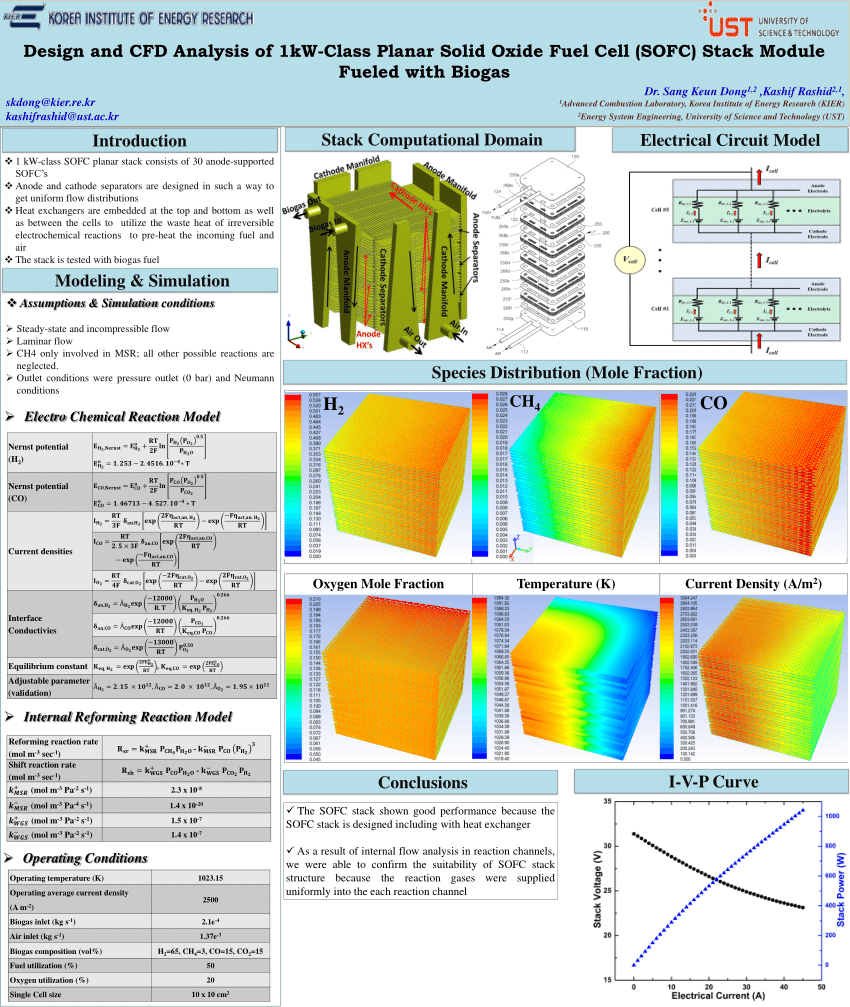
Solid Oxide Fuel Cells generate electricity through electrochemical conversion rather than combustion. This distinction is critical.
Instead of burning fuel, SOFCs convert chemical energy directly into electrical energy.
Key Performance Characteristics
- Electrical efficiency around 60 percent
- Higher total efficiency with waste heat recovery
- Near-zero NOx and SOx emissions
- Reduced particulate matter
- Lower greenhouse gas intensity when operating on LNG
- Compatibility with ammonia and hydrogen
When paired with gas turbines or organic Rankine cycles, total system efficiency can increase further.
For shipowners, this means:
Higher efficiency per unit of fuel.
Lower emissions without exhaust after-treatment complexity.
Long-term compatibility with green fuels.
The Scaling Challenge: From 80 kW Pilots to 20 MW Propulsion
One of the biggest uncertainties in the maritime SOFC market is scale.
Most current deployments operate between 80 and 500 kW. True propulsion for large vessels requires 10 to 20 MW systems.
This creates a scaling gap.
Current Deployment Ranges
- Auxiliary power units replacing diesel gensets
- Hybrid systems supplementing internal combustion engines
- Demonstration propulsion modules
Scaling to multi-megawatt installations requires:
- Stack durability improvements
- Marine certification
- Integration with onboard energy management systems
- Reliable fuel supply chains
The next five years will determine whether SOFC systems remain auxiliary technologies or become core propulsion assets.

Fuel Flexibility: LNG Today, Ammonia and Hydrogen Tomorrow
One of SOFC technology’s strongest advantages is fuel flexibility.
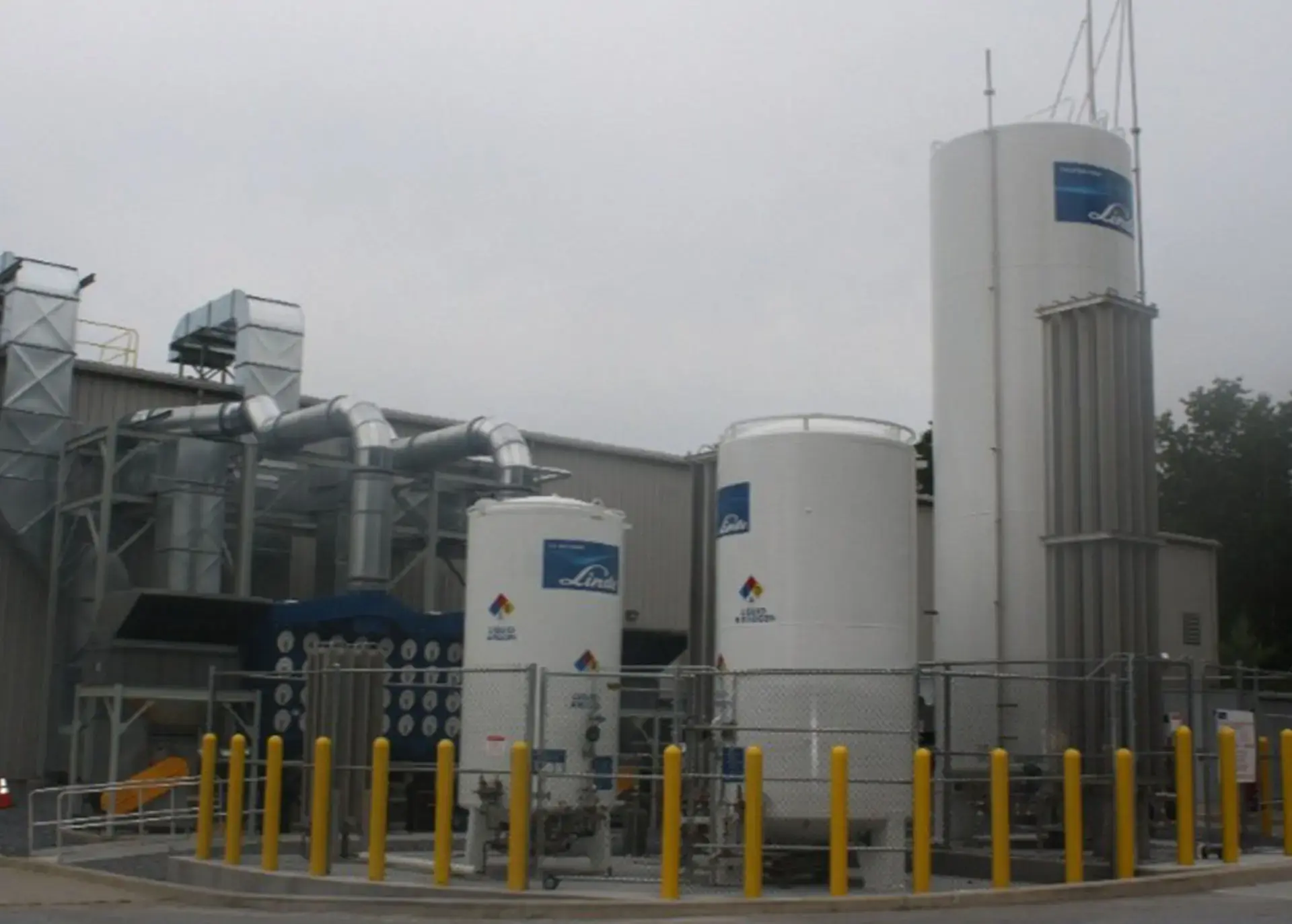
Shipping faces fuel uncertainty. LNG infrastructure exists. Ammonia and hydrogen infrastructure remains limited but growing.
SOFC systems can operate on:
- Liquefied natural gas
- Ammonia
- Hydrogen
- Methanol in certain configurations
This gives shipowners optionality.
Rather than committing to a single fuel pathway, operators can invest in systems capable of transitioning over time.
This reduces stranded asset risk and improves long-term fleet resilience.
Real-World Demonstration Projects in Maritime SOFC
Multiple pilot programs signal growing industry confidence.
HELENUS Project
Involves German Aerospace Center and MSC Cruises.
Testing a 500 kW SOFC on a cruise ship platform.
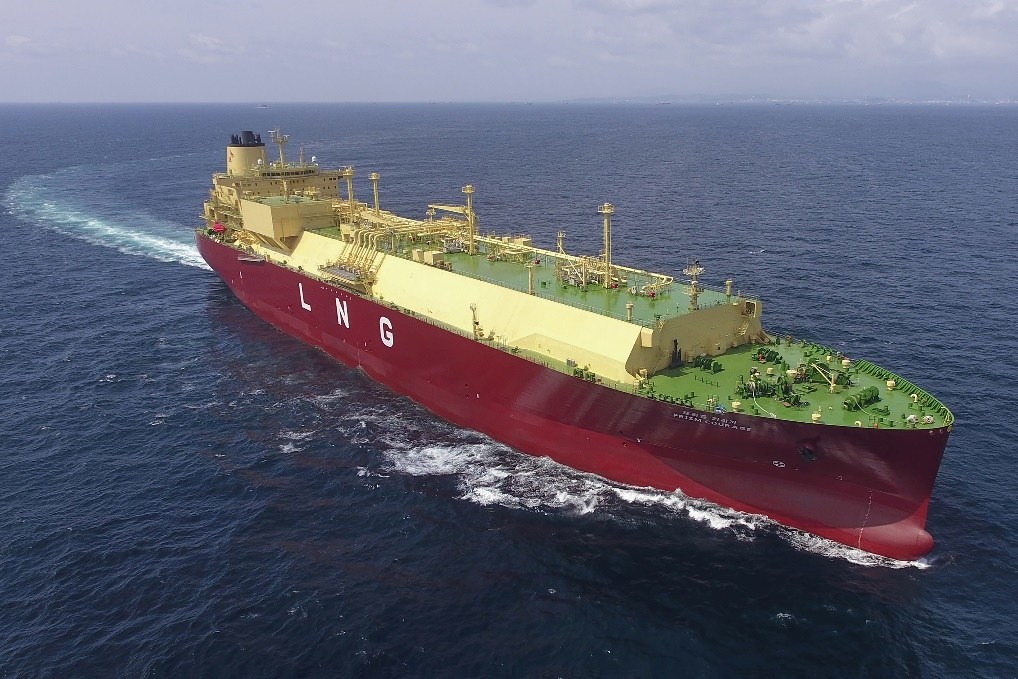
MOL and Samsung Heavy Industries LNG Carrier
300 kW marine power module integration.
Delivery expected 2025 with verification scheduled later.
Odfjell Chemical Tanker Test
80 kW SOFC installation for auxiliary power.
Testing ongoing.
SOFC4Maritime
Ammonia-based fuel cell initiative across European marine stakeholders.
These projects span cruise ships, LNG carriers, tankers, and offshore vessels.
The signal is clear: SOFC pilots are not isolated. They are diversified across vessel types.


Hybrid System Architectures: The Most Likely Near-Term Path
Full propulsion replacement may take time.
Hybridization appears more commercially viable in the near term.
Common Configurations
SOFC plus internal combustion engine
SOFC plus gas turbine
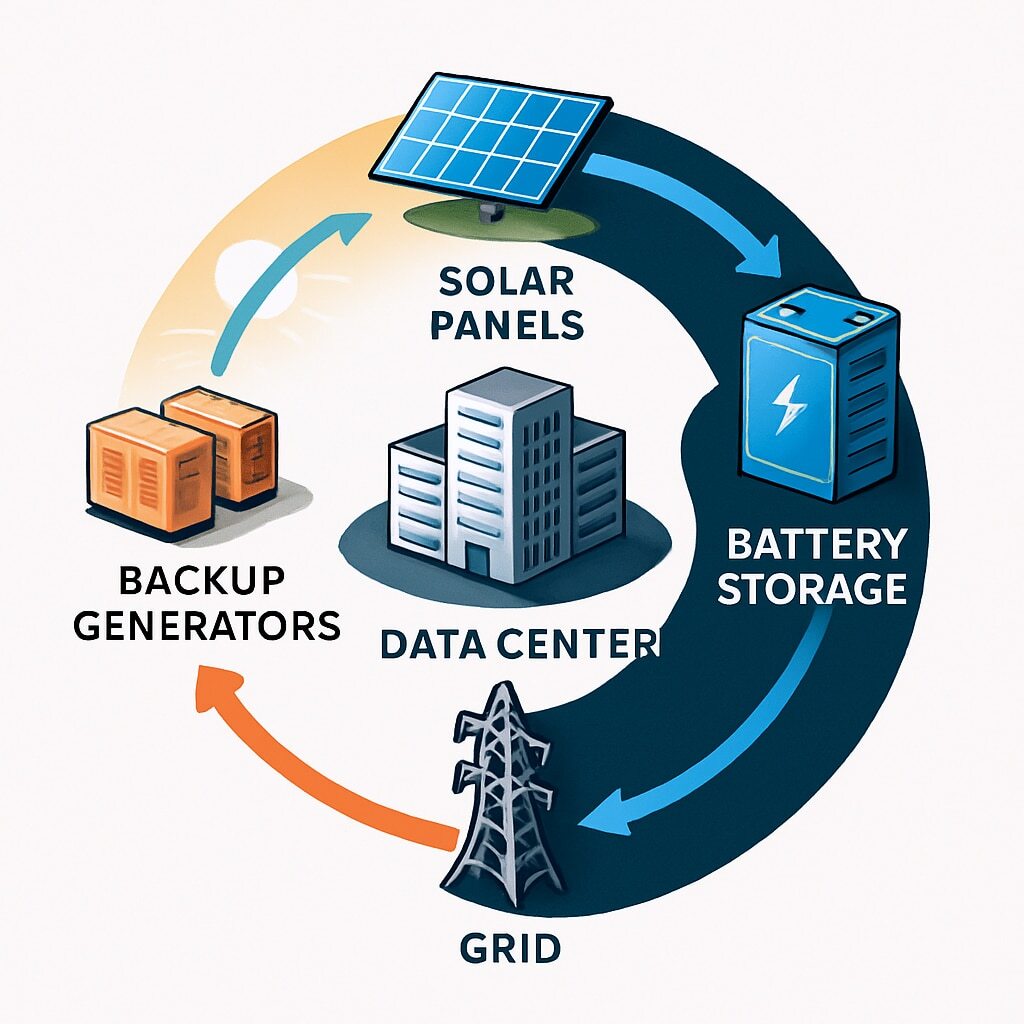
SOFC plus battery systems
Hybrid systems allow:
- Baseload power from SOFC
- Peak shaving from batteries
- Redundancy from traditional engines
- Improved lifecycle economics
Most analysts consider SOFC-battery hybrid systems the most realistic architecture for the next decade.
Corporate Investment and Strategic Positioning
The supply chain is consolidating.
Major players include:
- HD Hyundai investing in SOFC stack development
- Bloom Energy supplying marine power modules
- Doosan and HyAxiom advancing certification
- Ceres Power partnering on marine demonstrations
Asian shipbuilders and European fuel cell developers are forming cross-regional alliances.
This suggests commercialization intent, not purely research exploration.

Market Outlook: Is Maritime SOFC at an Inflection Point
The maritime SOFC market remains small relative to total marine propulsion demand.
However, leading indicators suggest acceleration:
- Multi-year pilot programs
- Increasing power scale demonstrations
- Hybrid system standardization
- Corporate capital allocation
- Policy alignment in Europe
Auxiliary systems are proving reliability.
Hybrid systems are maturing.
Multi-megawatt propulsion remains the decisive milestone.
The transition from pilot to fleet integration will define the next phase.
Bridging Today’s LNG Fleet to Tomorrow’s Zero-Carbon Shipping
For stakeholders navigating this transition, continuous signal monitoring matters more than static reports.