
Which U.S. Electric Utility Tariffs Incentivize Data Centers to Deploy Behind-the-Meter Energy Storage

Policy and Tariff Changes Affecting Large U.S. Data Center Power Users

Over the last three years, U.S. policy and utility pricing structures have shifted in ways that materially change the economics of behind-the-meter battery storage for large power users.

  • A 30% federal Investment Tax Credit now applies to standalone storage through 2033
  • Multiple states introduced direct battery incentives totaling several billion dollars
  • Utilities approved new large-load tariffs that increase exposure to demand charges
  • Market rules allow behind-the-meter assets to earn wholesale revenue through aggregation

These changes did not mandate storage, but they altered cost, risk, and revenue in measurable ways.

Data Center
data

How Data Center Operators Evaluate Tariff-Driven Demand for Energy Storage

Data center commercial and infrastructure teams now need to answer:

Which utility tariffs actually create financial pull for behind-the-meter battery storage, and where does that pull show up first?

More specifically:

  • Which utility tariffs increase downside risk if load is unmanaged?
  • Which utility tariffs create monetizable upside for on-site batteries?
  • Where does storage shift from optional to economically defensive?

Why Traditional Tariff Analysis Fails to Predict Energy Storage Demand

Project teams typically approach this by:

  • Reading individual tariff filings and commission approvals
  • Modeling generic storage payback scenarios
  • Treating tariffs as static price inputs
  • Evaluating storage primarily as backup power

This approach is slow and often misses how tariffs interact with incentives and market rules.


How Enki Translates Utility Tariffs into Actionable Energy Storage Demand Signals

Enki starts from observed commercial behavior and works backward to demand.

First: Federal Tax Credits and the Unit Economics of Behind-the-Meter Energy Storage

  • The 30% ITC reduces upfront storage capex enough to move payback from unviable to 4–6 years
  • At IRRs above 15%, storage clears internal hurdle rates for many data center operators
  • State incentives further compress payback, especially in California, New York, Illinois, and New Jersey

Second: Large Load Tariffs and Demand Charge Exposure for Data Centers

  • Large-load tariffs now adopted by ~36 U.S. utilities shift grid upgrade costs onto data centers
  • Example: AEP Ohio requires facilities over 25 MW to pay for at least 85% of expected monthly load
  • Storage enables peak shaving, directly reducing demand charges that dominate large-user bills

When storage appears in interconnection and tariff mitigation plans, demand is no longer optional.

Third: Demand Response and Wholesale Market Revenue for On-Site Batteries

  • FERC Order 2222 allows behind-the-meter batteries to participate in ancillary services markets
  • Demand response programs now pay for flexibility without requiring load curtailment
  • A documented case shows:
    • 18% peak demand reduction
    • Monthly demand charges falling from $890k to $605k
    • $3.42M annual savings plus market revenue

Storage is being underwritten as an operating asset, not insurance.

Fourth: Market-Wide Signals Driving Behind-the-Meter Storage Adoption

  • BTM market projected to grow from $370B in 2024 to over $9T by 2033
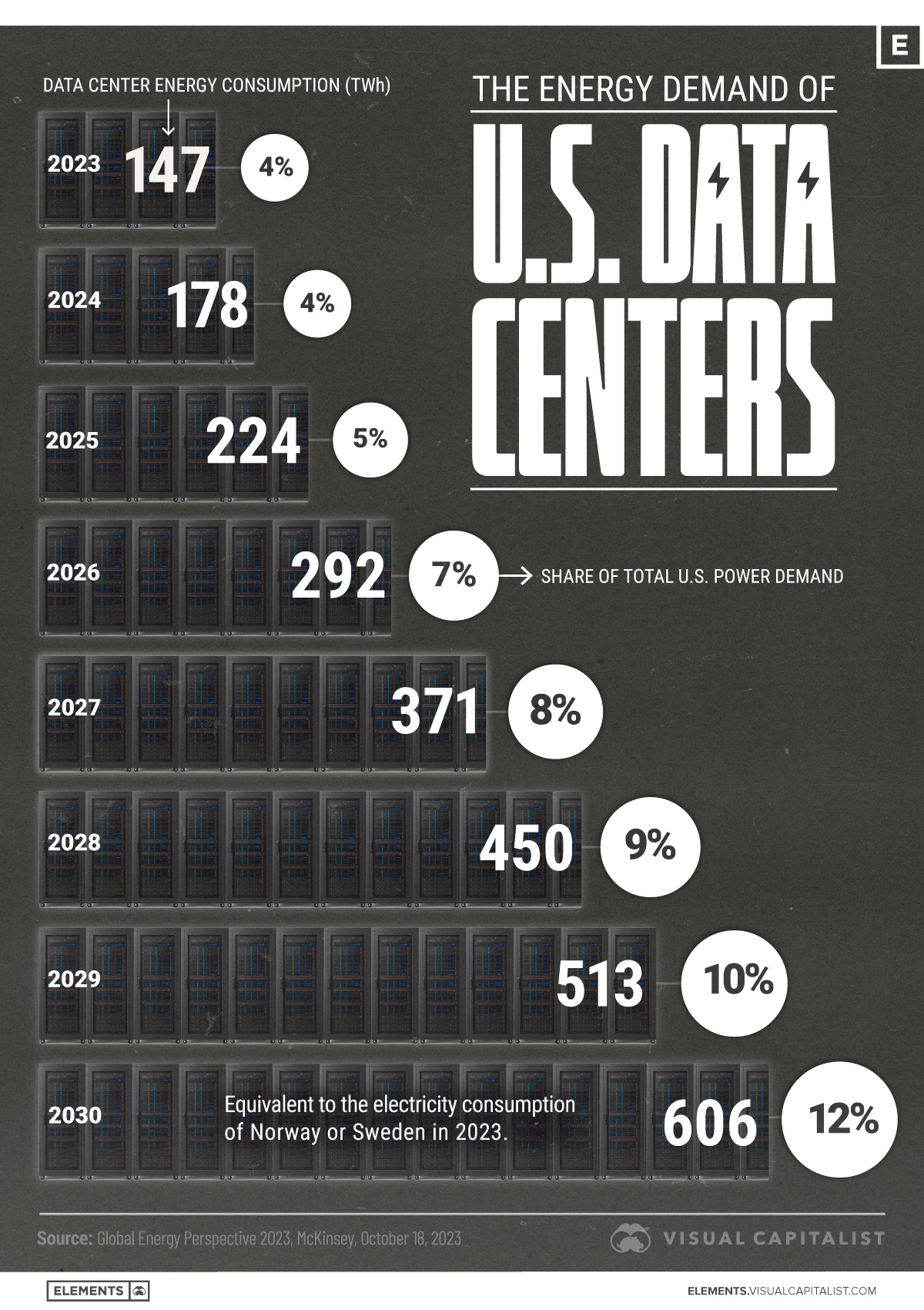
  • U.S. data center electricity demand projected to rise from 4% to up to 12% of national consumption by 2028
  • Grid-scale storage capacity doubled year-over-year in early 2024 despite falling battery prices

The bottleneck is not technology. It is where tariffs, incentives, and timelines intersect.

What Data Center Teams Learn About Tariff-Driven Energy Storage Deployment

Not all tariffs incentivize storage equally.

  • Large-load tariffs create defensive demand by increasing cost exposure
  • Demand response tariffs create offensive demand through new revenue
  • TOU tariffs reward operational optimization and daily cycling
  • Clean transition tariffs pull storage into long-term power strategy

Behind-the-meter storage adoption in U.S. data centers is being driven less by technology cost declines and more by tariff design. Utilities that price capacity, peaks, and flexibility explicitly are the ones pulling storage deployment forward first.

When tariffs change, Enki shows which ones actually move demand and where to watch next.

Why This Matters

Data center energy decisions are no longer driven by load growth alone.
They are being reshaped by tariff design, incentives, and market access.
When pricing structures change, storage moves from optional to necessary.


1

1. Tariffs Now Shape Demand, Not Just Cost

Utility tariff changes are actively creating demand for behind-the-meter storage.

What changed:

  • Large-load tariffs increase exposure to demand charges and capacity fees

  • Time-of-use pricing amplifies peak cost risk

  • Interconnection rules shift grid upgrade costs onto data centers

Storage becomes a defensive asset when tariffs penalize unmanaged load.

2

2. Incentives Turn Storage Into a Financeable Asset

Policy did not mandate storage.
It changed the economics.

What moves the math:

  • 30% federal ITC applies to standalone storage through 2033

  • State incentives compress payback timelines

  • IRRs cross internal hurdle rates for infrastructure teams

Storage clears approval not as backup power, but as capex with returns.

3

3. Market Access Creates New Revenue, Not Just Savings

Tariffs now connect behind-the-meter assets to wholesale markets.

What execution signals show:

  • Demand response programs pay for flexibility without curtailment

  • FERC Order 2222 enables aggregated market participation

  • Storage earns revenue while reducing demand charges

Storage shifts from cost mitigation to operating strategy.

See how policy changes translate into real demand signals

ENKI analyzes policy changes by tracking execution, costs, and follow-through, not just announcements or forecasts.

Wind turbines over digital grid