What the Policy Change Means for Real Hydrogen Demand
The US finalized hydrogen tax credit rules under the IRA. Enki analyzes whether this policy creates real hydrogen demand or only regulatory permission, using execution signals and cost constraints.
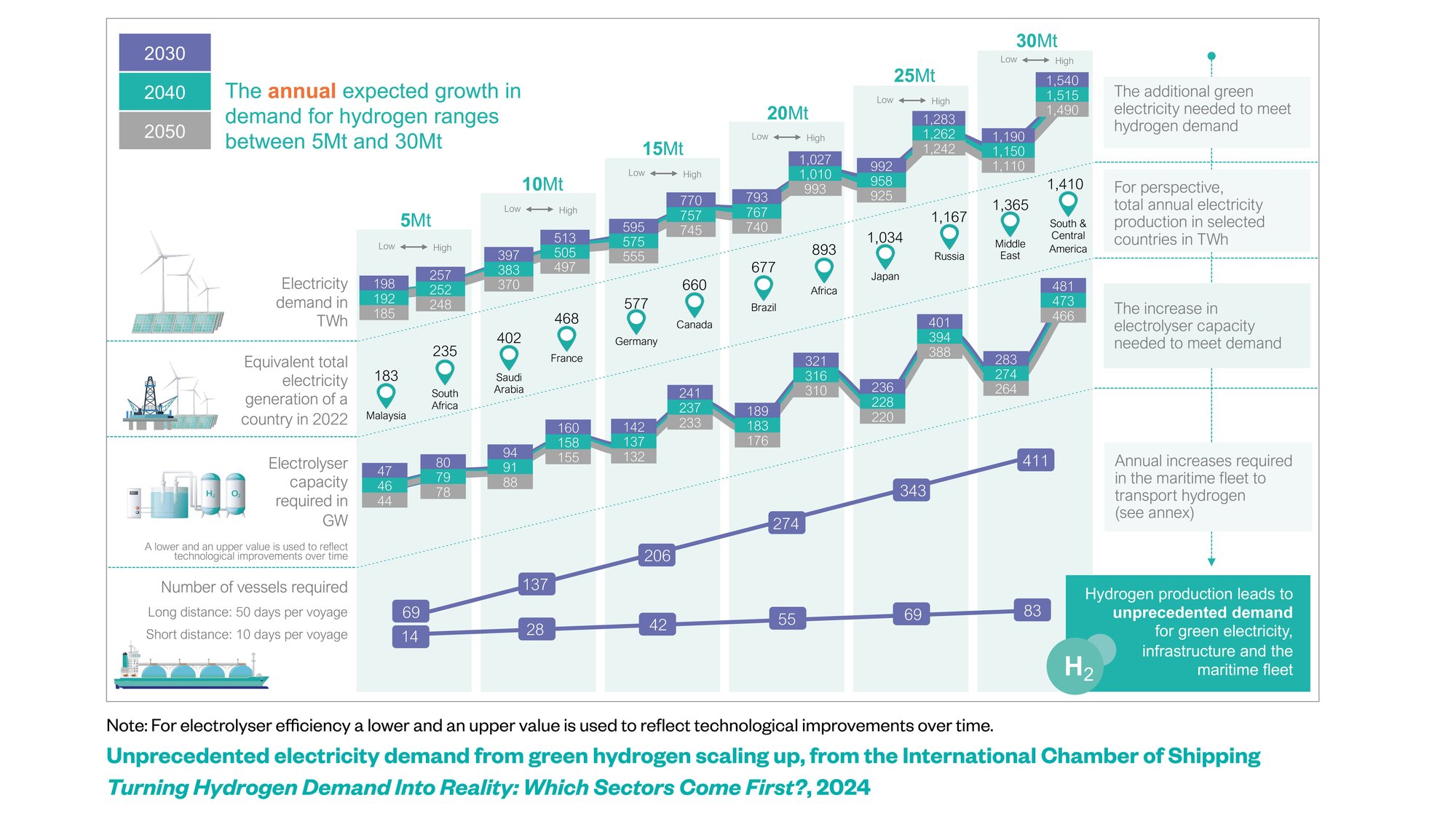
In early 2025, the United States finalized guidance for the Section 45V Clean Hydrogen Production Tax Credit under the Inflation Reduction Act.
What was initially announced as a generous incentive of up to $3 per kilogram of clean hydrogen was narrowed through detailed implementation rules.
Key elements of the policy revision include:
-
Strict lifecycle emissions thresholds
-
Additionality requirements for renewable power
-
Hourly matching between hydrogen production and clean electricity
-
Phased compliance timelines rather than immediate flexibility
On paper, the credit still exists.
In practice, the conditions for qualifying changed materially.


The Commercial Question That Actually Matters
For commercial and strategy teams, the core question is not about policy intent.
The real question is:
Does the finalized hydrogen tax credit create scalable, bankable demand for clean hydrogen, or does it constrain deployment to a narrow set of projects?
More specifically:
-
Which hydrogen applications can economically qualify?
-
Which producers can meet additionality and hourly matching rules?
-
Does demand expand broadly or remain limited to a few early movers?
-
What moves now, and what is delayed by years?
This is where regulatory permission and commercial reality begin to diverge.
The Old Way:
Most teams approach this type of policy change by:
-
Reading Treasury guidance and legal summaries
-
Comparing eligibility thresholds across draft versions
-
Pulling hydrogen demand forecasts from consultants
-
Updating internal assumptions and slides
-
Debating interpretations across legal, finance, and engineering teams
This process usually:
-
Takes weeks
-
Produces conflicting conclusions
-
Overweights policy language
-
Underweights execution constraints
The result is often confidence without clarity.
The Enki Way: Reframing Policy Through Demand
Enki reframes the hydrogen tax credit from a demand and execution perspective, not a legal one.
Instead of asking what is allowed, Enki asks what can actually be built.
Enki evaluates the policy by:
What Materially Changed
-
The credit value now depends on real-time power sourcing
-
Grid-connected hydrogen faces higher compliance friction
-
Project timelines shift due to measurement and verification requirements
How Demand Is Bounded
-
Industrial hydrogen users with steady baseload demand struggle with hourly matching
-
Ammonia and e-fuels projects face higher upstream electricity costs
-
Only locations with surplus clean power and flexible operations qualify at scale
Which Stakeholders Benefit
-
Vertically integrated developers
-
Projects co-located with renewables
-
Early pilots with controlled operating profiles
Execution Signals Enki Tracks
-
Projects reaching final investment decision under the new rules
-
Electrolyzer orders tied to compliant power contracts
-
Offtake agreements that survive revised economics
-
Delays, redesigns, or quiet cancellations
This shifts the conversation from forecasts to evidence.
Outcome
Teams using Enki do not debate whether the hydrogen tax credit is “good” or “bad.”
They leave with:
-
A clear view of where hydrogen demand is real today
-
A segmented map of viable and non-viable applications
-
Defined signals to monitor as projects move or stall
-
A strategy that adapts as execution reality emerges
Most importantly, they avoid mistaking policy ambition for commercial momentum.
Why This Matters
Energy transitions do not fail because of ambition. They fail when policy signals, capital allocation, and execution reality diverge.
A policy change can create regulatory permission.
But permission alone does not create demand.
The real risk for commercial and strategy teams is mistaking policy flexibility for market movement. That is where decisions break.
1. Policy Creates Permission, Not Momentum
Policy revisions often appear decisive on paper.
They expand eligibility.
They introduce carve-outs.
They delay phase-outs.
What they do not guarantee is adoption.
Real demand only appears when customers commit capital, suppliers scale production, and projects move beyond announcement.
Without tracking what happens after the policy change, teams overestimate momentum and underprice risk.
2. Demand Signals Appear Before Consensus
Markets rarely shift all at once.
They move unevenly.
Early demand shows up in:
-
Projects that reach financing, not just approval
-
Offtake agreements that convert into deliveries
-
Capacity additions that persist quarter over quarter
-
Hiring and supplier activity tied to deployment, not pilots
Silence matters too.
Projects that stall, slip, or quietly disappear often signal constraints long before analysts revise forecasts.
3. Cost and Execution Decide What Scales
Even when policy is supportive, markets remain bounded by reality.
Cost curves.
Infrastructure readiness.
Supply chain limits.
Time to deployment.
Policy may define where demand is allowed.
Execution determines where demand survives.
Understanding that boundary early is what separates reactive teams from disciplined ones.
See how policy changes translate into real demand signals
ENKI analyzes policy changes by tracking execution, costs, and follow-through, not just announcements or forecasts.