EU E‑Methane Policy Framework: How RED III, ETS, and MRV Create Real Market Demand for Synthetic Methane
EU Policy Shift: How RED III, ETS, and Methane Regulation Reshape the Gas Market
Since 2023, the EU has activated a multi-layered policy stack to support synthetic fuels:
- RED III (Renewable Energy Directive III) mandates the use of Renewable Fuels of Non-Biological Origin (RFNBOs) in transport and industry sectors. To qualify, e-methane must achieve at least 70 percent lifecycle GHG savings. These are legally binding sub-targets that create enforceable demand regardless of price competitiveness.
- EU ETS (Emissions Trading System) applies a carbon price between €60 and €100 per tonne of CO₂, increasing the cost of fossil natural gas by €3 to €5.5 per MMBtu, thereby narrowing the green premium gap for e-methane without direct subsidy.
- EU Methane Regulation (2024/1787) imposes Monitoring, Reporting, and Verification (MRV) requirements on methane emissions, including leak detection and repair (LDAR) standards and import equivalency rules starting in 2027. These regulations increase compliance risk and cost for fossil LNG and pipeline gas.
Together, these changes shift compliance risk and cost exposure away from synthetic methane and toward fossil-based fuels, creating both a regulated demand floor and a commercial risk differential.

The Commercial Question: Where Does Bankable Demand for E‑Methane Actually Come From?
EU policy has shifted the e-methane discussion from technical feasibility to commercial durability. With binding RFNBO mandates, sustained carbon pricing, and enforceable methane rules now in place, commercial teams must determine whether observed demand reflects a bankable market or a temporary compliance response.
More specifically:
- How much of e-methane demand is mandatory under RED III versus voluntary uptake at current price spreads?
- At €60–€100/tCO₂, how far does ETS narrow the green premium relative to $23–$110/MMBtu e-methane costs by 2030?
- Which sectors monetize first under MRV and import rules, and when does shipping materially enter demand?
Why Traditional Policy Analysis Fails to Predict Real E‑Methane Adoption
Product and commercial teams typically:
- Review RED III, ETS, and Innovation Fund summaries for eligibility clauses
- Model business cases using assumed carbon prices and grant rates
- Track project announcements to gauge policy impact
This approach is slow and misses how enforceable compliance and finance terms interact to de-risk first-of-kind projects.
How Enki Translates EU Regulation into Bankable E‑Methane Demand Signals
Enki analyzes real grants, offtake behavior, and technology movement to surface which rules are actively shaping project economics.
First: Translate RED III and ETS into E‑Methane Unit Economics
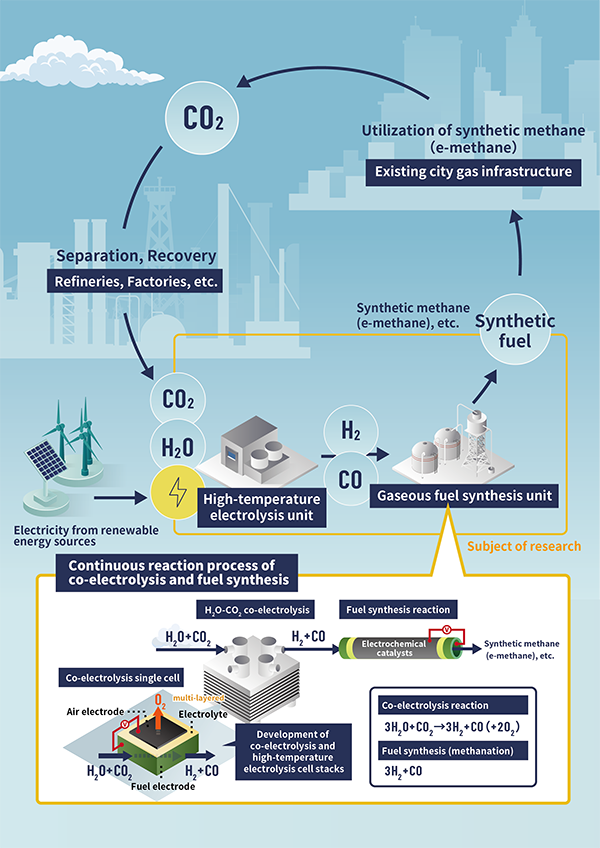
- RED III mandates 70 percent GHG reduction for RFNBOs like e-methane
- ETS adds up to €5.5 per MMBtu to fossil gas, but e-methane production remains at $50 to $200 per MMBtu
- Innovation Fund grants, such as €17.5 million to Electrochaea, lower CAC and improve project IRR
Viability requires value stacking, with compliance-driven demand plus direct capital support.
Second: Test E‑Methane Demand Against Regulatory Exposure and Import Rules
- RED III RFNBO subtargets anchor demand into law
- EU Methane Regulation’s MRV standards create buyer compliance exposure on LNG and pipeline imports from 2027 onward
E-methane is uniquely positioned as a low-leakage fuel with favorable compliance optics.
Third: Identify Policy-Driven Revenue Streams for Synthetic Methane
- RED III mandates force obligated parties to procure e-methane
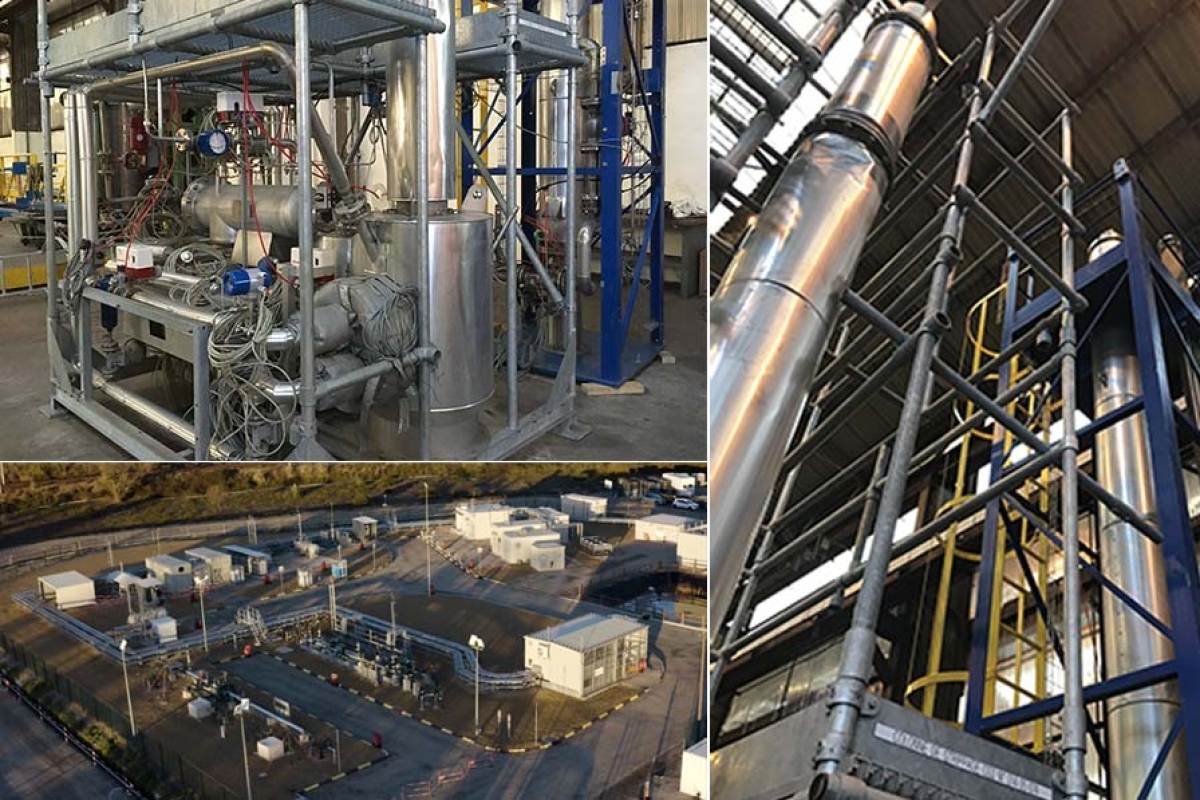
- EU-funded projects, such as Electrochaea’s 10 MWe plant, gain access to Innovation Fund grants and EIB loans
Projects with early compliance alignment and grant access can monetize through offtake contracts even at high production cost.
Fourth: Separate Real E‑Methane Execution Signals from Policy Noise
- From 20 GWh to 449 GWh in eight years, with 55 e-methane plants projected by 2027
- Multiple EIB-backed projects are in pipeline with focus on synthetic fuels
Scale is niche but real. Growth is tied to regulation-driven procurement and grant-driven viability.
What Energy and Infrastructure Teams Learn About E‑Methane Market Timing and Risk
- RED III mandates RFNBO volumes, legally anchoring demand in transport and industrial sectors
- EU ETS provides indirect price support by penalizing CO₂ emissions from fossil fuels
- EU Methane Regulation uses MRV and import standards to tilt buyer preferences toward low-emission alternatives like e-methane
- Innovation Fund and EIB offer direct support to improve IRR and reduce TRL risk in capital-intensive deployments
The EU framework does not just support e-methane. It forces adoption at the margins through compliance risk and cost structure changes. Early-stage opportunities exist, but only for developers who can align with mandated volumes and access grant-driven value stacking. The opportunity is real, but narrow and sensitive to policy continuity. Product and strategy teams should model risk around RED III target enforcement, ETS price floors, and MRV implementation delays.
Why This Matters
EU policy is no longer signaling interest in synthetic methane.
It is restructuring risk, cost, and compliance in ways that create real but narrow demand.
1. Policy Creates a Demand Floor, Not Optional Adoption
RED III RFNBO mandates legally require renewable gas volumes, regardless of price.
This anchors baseline demand for e-methane in transport and industrial compliance, not voluntary decarbonization goals.
What changed:
-
RFNBO sub-targets are binding, not aspirational
-
Demand exists even when e-methane remains cost-premium
This is regulation-driven demand, not market enthusiasm.
2. Compliance Risk Is Shifting Away from E-Methane
The EU ETS and Methane Regulation increase cost and exposure for fossil gas.
What changed:
-
ETS adds €3–€5.5 per MMBtu to fossil gas
-
MRV and import rules raise buyer risk for LNG and pipeline supply from 2027
E-methane benefits from lower compliance risk and clearer auditability, even at higher production cost.
3. Bankability Depends on Policy Stacking and Grants
E-methane does not clear on fuel economics alone.
What changed:
-
Innovation Fund grants and EIB financing materially improve IRR
-
Projects monetize through mandated offtake plus capital support, not spot pricing
This creates a real but constrained execution window for developers aligned with regulation and funding access.
Where does policy stop and real market traction begin? Ask Enki your regulatory question for your market.
ENKI analyzes policy changes by tracking execution, costs, and follow-through, not just announcements or forecasts.