Fuel Cell Commercialization 2025–2030: Costs, Infrastructure Gaps, and Durability Barriers to Scale
Fuel cells are widely positioned as a cornerstone of the clean energy transition. Market forecasts project global valuations between $8.7 billion and $48.1 billion by 2028–2032, with compound annual growth rates exceeding 22 percent in some scenarios.
Yet commercialization remains uneven.
Costs remain high. Hydrogen infrastructure is incomplete. Durability targets are not consistently met. The opportunity is real, but so are the structural risks.

Why Fuel Cell Commercialization Is Difficult to Track
For executives and strategy teams, the market presents conflicting signals.
- Forecast divergence: Market projections vary widely depending on methodology and scope.
- Policy volatility: Incentives such as U.S. hydrogen credits and EU funding programs materially affect project economics.
- Technology uncertainty: Breakthroughs in materials and system design are ongoing but not fully commercialized.
- Infrastructure lag: Hydrogen production, transport, and refueling networks remain incomplete.
The result is a visibility gap between projected market size and bankable commercial deployment.
High Costs Remain the Primary Constraint
Cost pressure spans the full value chain.
Vehicle and System Costs
Fuel cell electric vehicles, especially heavy-duty systems, remain significantly more expensive than diesel equivalents. Manufacturing volumes are still below levels required to achieve steep cost reductions.
Raw Materials
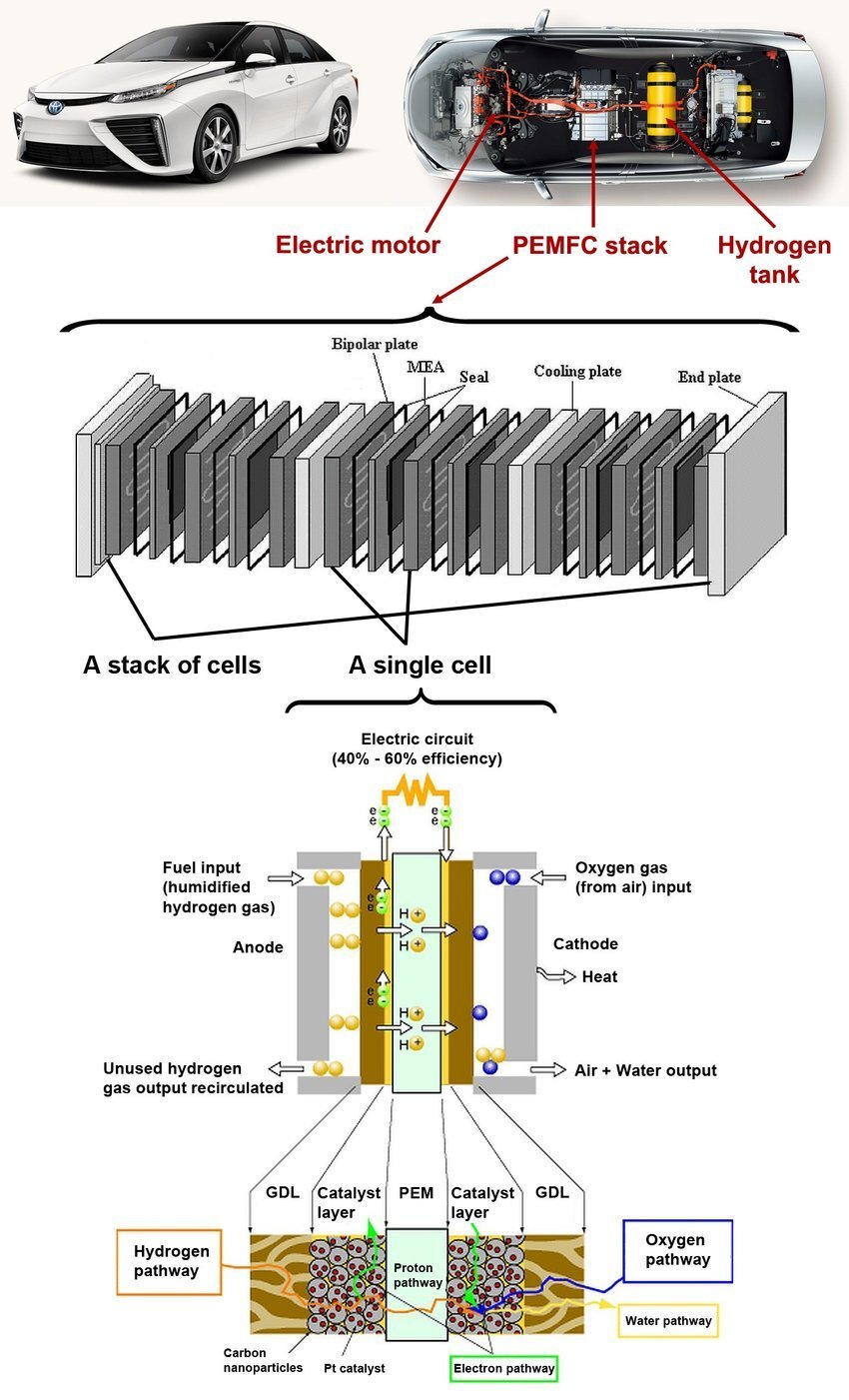
Platinum-group metals used in PEM systems remain volatile in price. While reduction strategies are advancing, cost sensitivity persists.
Manufacturing Scale
Cost curves depend on production scale. Without sustained volume growth, cost declines stall.
Power Generation Economics
Levelized cost of electricity for fuel cell systems remains higher than mature renewable technologies in many markets without subsidies.
Until manufacturing scale increases and material costs decline, cost competitiveness remains conditional on policy support.
Hydrogen Infrastructure Gaps Slow Adoption
Commercialization is constrained by infrastructure limitations.
Refueling Networks
Limited hydrogen refueling stations restrict fleet adoption. Investors hesitate to fund infrastructure without confirmed vehicle demand.
Production Costs
Green hydrogen remains more expensive than conventional hydrogen. Electrolyzer cost declines and renewable scale are necessary to reduce fuel cost.
Storage and Transport
Hydrogen storage, whether compressed or cryogenic, adds complexity and capital expense. Distribution networks require coordinated investment.
This chicken-and-egg dynamic delays scaling across mobility and distributed power segments.
Durability and Performance Challenges
Even where cost and infrastructure improve, durability remains a barrier.
Heavy-Duty Durability Targets
Long-haul trucking targets around 25,000 operating hours. Maritime systems may require significantly longer operational lifetimes. Achieving consistent durability remains a commercialization hurdle.
Degradation Risks
Catalyst poisoning, membrane wear, and stack degradation increase lifetime cost uncertainty.
Environmental Performance
Extreme temperatures and load variability affect system efficiency and lifespan.
Until durability improves and lifetime economics stabilize, risk premiums remain elevated for fleet operators and utilities.
Strategic Outlook: Where Commercialization Can Advance
Despite constraints, long-term drivers remain strong.
Policy Support
Incentives in the U.S., EU, and Asia continue to shape project viability. Clean hydrogen credits and carbon pricing frameworks reduce early-stage risk.
Industrial and Stationary Applications
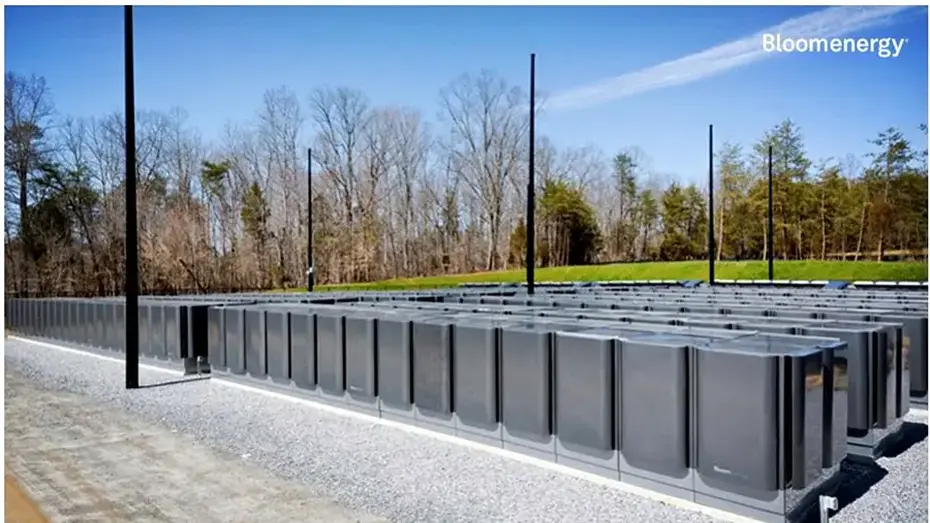
Data centers, distributed generation, maritime auxiliary power, and industrial combined heat and power offer near-term adoption pathways.
Technology Evolution
Advances in lower-PGM catalysts, higher power density systems, and solid oxide fuel cells expand commercial positioning beyond transport.
Scaling Effects
Economies of scale remain the decisive variable. As volumes increase, system costs could decline materially, unlocking broader competitiveness.
Key Signals to Monitor 2025–2030
Executives should track:
- Annual megawatt deployment growth, not just funding announcements
- Hydrogen cost trends relative to diesel and natural gas
- Durability benchmarks from heavy-duty pilots
- Manufacturing capacity expansions
- Policy stability across major regions
Commercial scale will depend on alignment across cost, infrastructure, and performance.
Fuel cell commercialization is not stalled, but it is conditional.
Costs must fall. Hydrogen infrastructure must expand. Durability must improve.
The next five years will determine whether fuel cells transition from policy-supported niche deployments to self-sustaining industrial scale.